
Written and reviewed by Corey Marino Founder & Finance Broker, FBAA member M-354085 · Diploma-qualified finance broker
Last reviewed 24 August 2026 · About Corey
The short answer
A prime mover and trailer can have different values, working lives and replacement dates. Compare combined and separate finance using each asset's term, balloon and operating costs. X Lend structures the proposal around the transport work and cashflow.
- Treat prime mover and trailer separately
- Match terms to each useful life
- Test margin after full operating costs
A prime mover and trailer work together but remain different assets. They may have different ages, sellers, useful lives, delivery dates and resale markets. Treating them as one undifferentiated purchase can hide important finance and replacement decisions.
The answer first
List each asset separately with price, VIN or serial, age, kilometres or hours, seller, deposit, delivery and planned replacement. Compare one coordinated approval with separate schedules. Match each term and balloon to the asset rather than forcing identical settings.
Why separate asset schedules matter
A trailer may remain productive across more than one prime mover. The prime mover's kilometres and maintenance can bring forward replacement. Separate schedules can make payouts and disposals clearer, while one lender and settlement can reduce administration. Ask how the documents treat each item.
If assets come from different sellers, each payment needs its own verification, payout and PPSR process. A delay with one asset should not be assumed to leave the other approval unchanged.
Show the operating model
Prepare freight contracts, rate schedules, expected kilometres, fuel assumptions, driver costs, insurance, registration, maintenance and downtime. State whether the operator is an owner-driver, subcontractor or fleet business and identify customer concentration.
A contract supports demand, but serviceability depends on margin after all operating costs and existing debt. Stress-test fuel changes, empty running, repairs and slower customer payment.
Used heavy vehicles
For a used prime mover, provide build year, kilometres, engine hours where available, service history, recent major work and an independent inspection. For the trailer, record configuration, age, floor or body condition, axles and specialised equipment. Lender term and contribution can change with age and resale demand.
Search the correct identifiers on the PPSR and resolve existing interests before settlement. The PPSR's heavy-equipment case study illustrates why serial-number accuracy and existing registrations matter for business equipment.
Deposit, term and balloon
A deposit lowers the amount financed but uses operating cash. A longer term lowers scheduled payments but may outlast expected ownership. A balloon lowers regular payments by leaving an amount due at the end. Compare these together against expected resale and replacement timing.
Do not base a balloon solely on today's asking price. Future value depends on kilometres, condition, market and the contract. Keep a plan for payout or refinancing well before maturity.
Rent-to-own and refinance
An operator may seek to replace a rent-to-own arrangement with conventional finance. Obtain the exact payout, ownership terms, payment history and asset details. Compare remaining rent-to-own cost with the new rate, fees, term and security. Confirm title can transfer and any PPSR interest can be released.
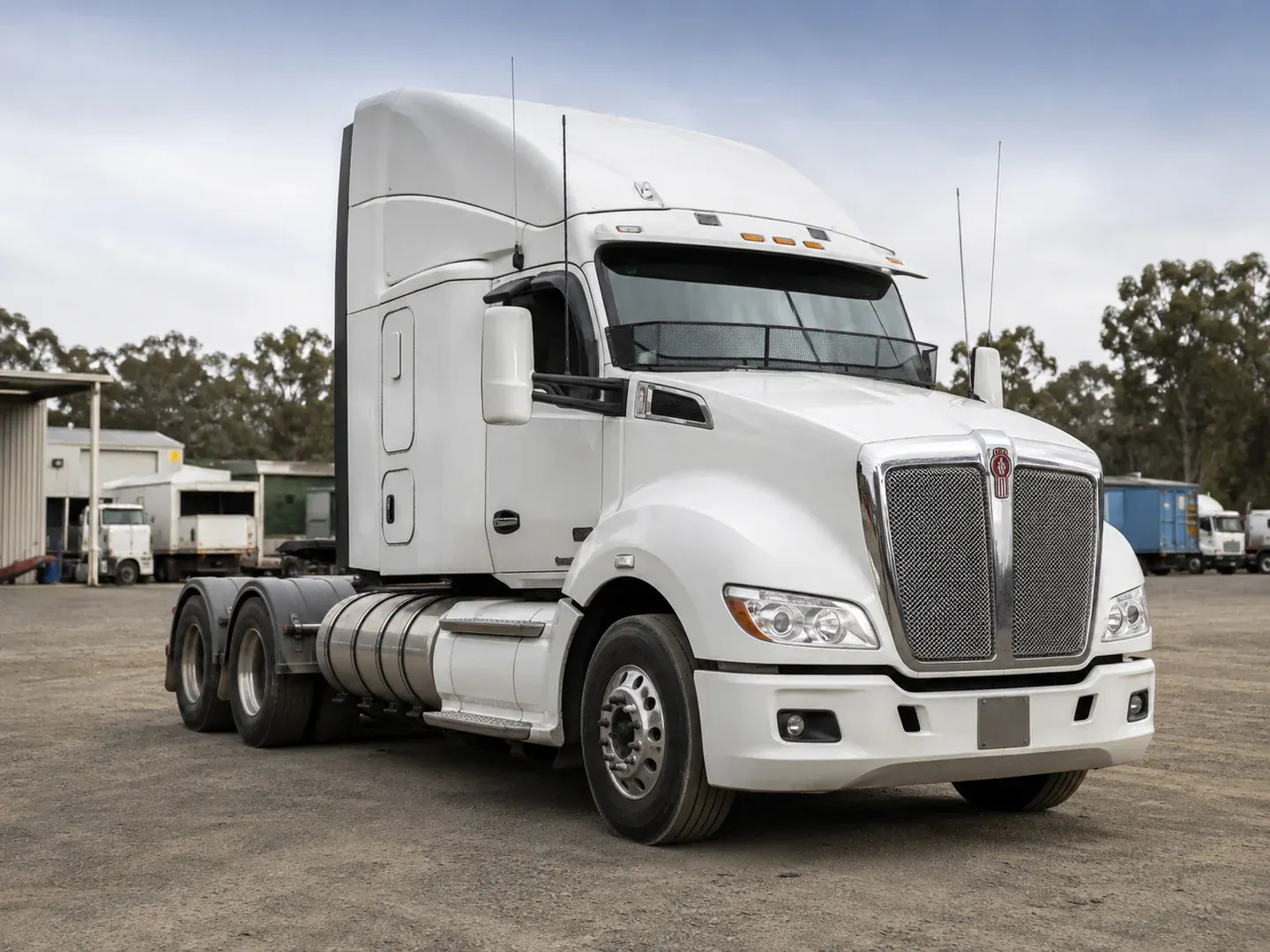
Our Kenworth T610 refinance case is one genuine settled historical outcome. It does not establish current pricing or guarantee a refinance saving.
Settlement file
Keep invoices, seller identification, inspection, service records, payouts, PPSR certificates, insurance and signed finance documents together. Confirm all bank details independently and report asset or price changes before funds move.
X Lend compares truck-finance pathways after reviewing the whole operating picture. A third-party lender supplies the credit and determines approval and conditions.