

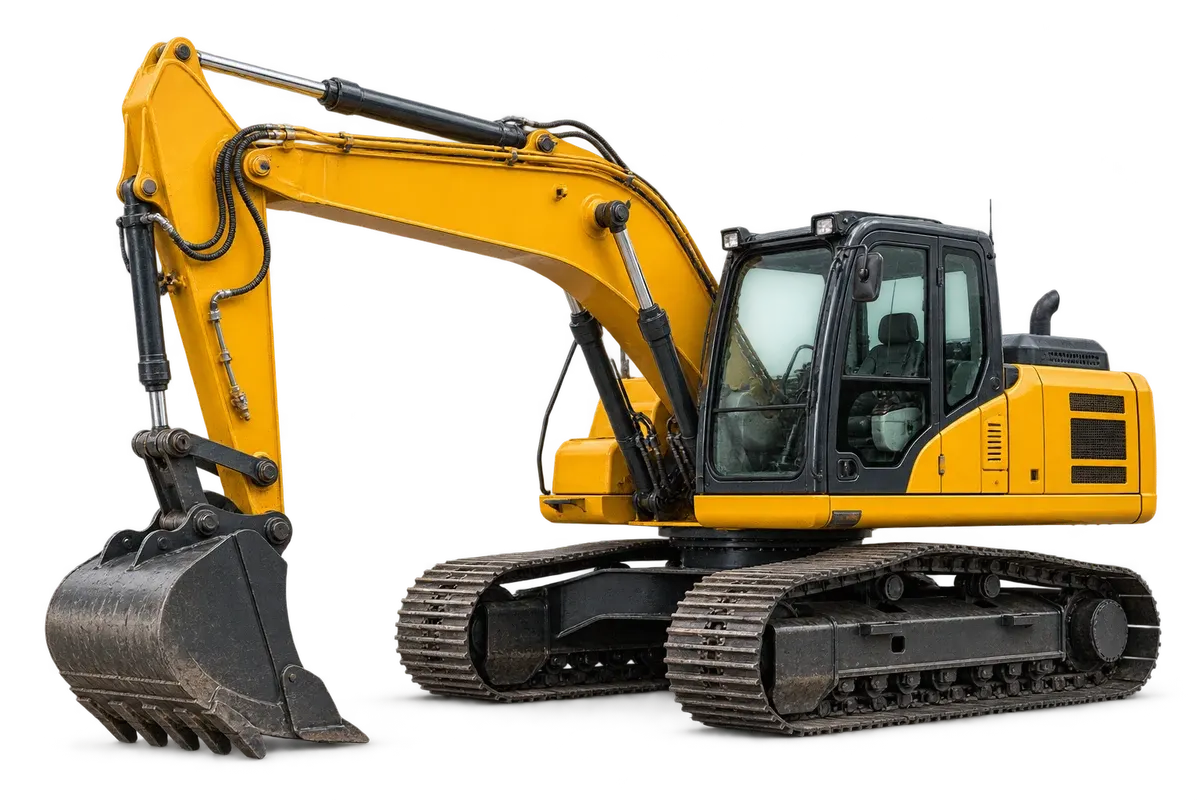
Equipment Finance
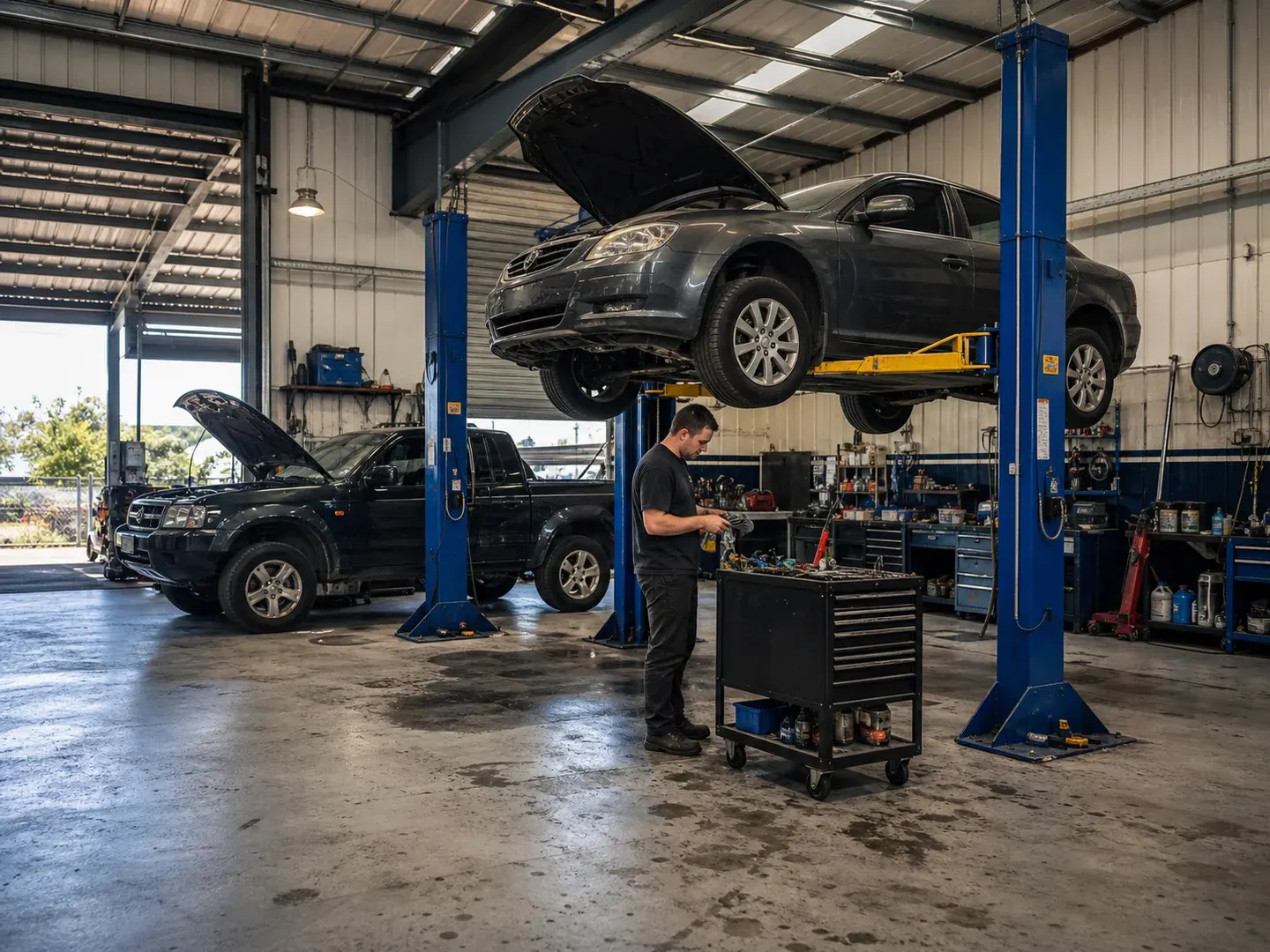
Hoists, wheel aligners, diagnostic scanners, compressors and tooling, the gear that keeps the bays turning.
View finance optionsFinance workshop equipment, service vehicles and upgrades around the jobs, technicians and cash your workshop can support.
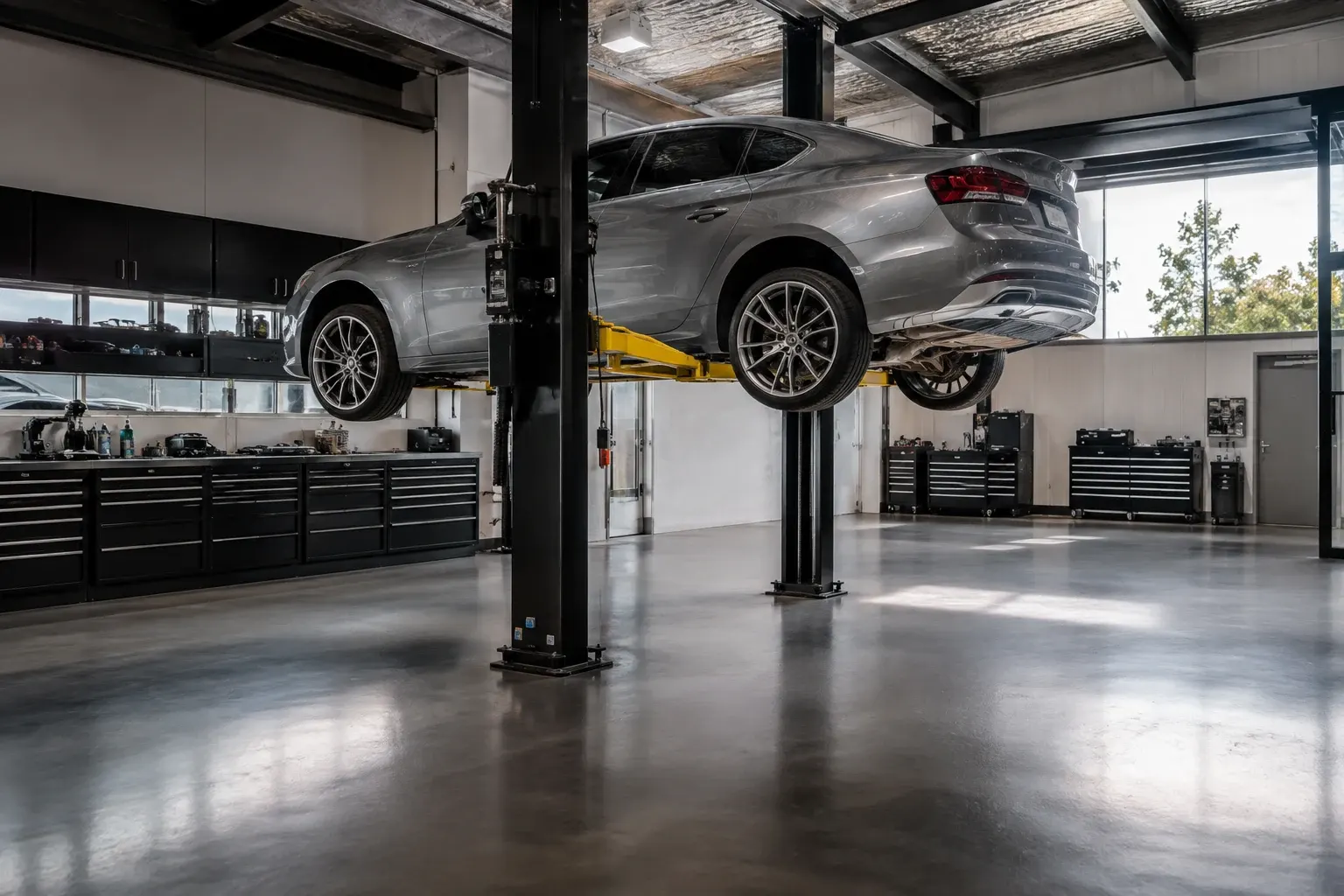
An extra hoist or diagnostic system only adds capacity when the floor space, technicians and work are there. Compare the purchase with installation, calibration, subscriptions and the downtime required to put it into service.
Keep equipment replacement separate from stock, payroll and customer account balances. The finance structure should fit the useful life of the asset or the time needed for an operating gap to close.
X Lend compares suitable options from its panel of 80+ banks and specialist lenders. We explain the proposed rate, fees, repayment dates, security and any final balloon before you decide whether to authorise an application.
Choose the funding purpose first. Each option below explains the costs, evidence and next steps for that type of finance.
Hoists, wheel aligners, diagnostic scanners, compressors and tooling, the gear that keeps the bays turning.
View finance options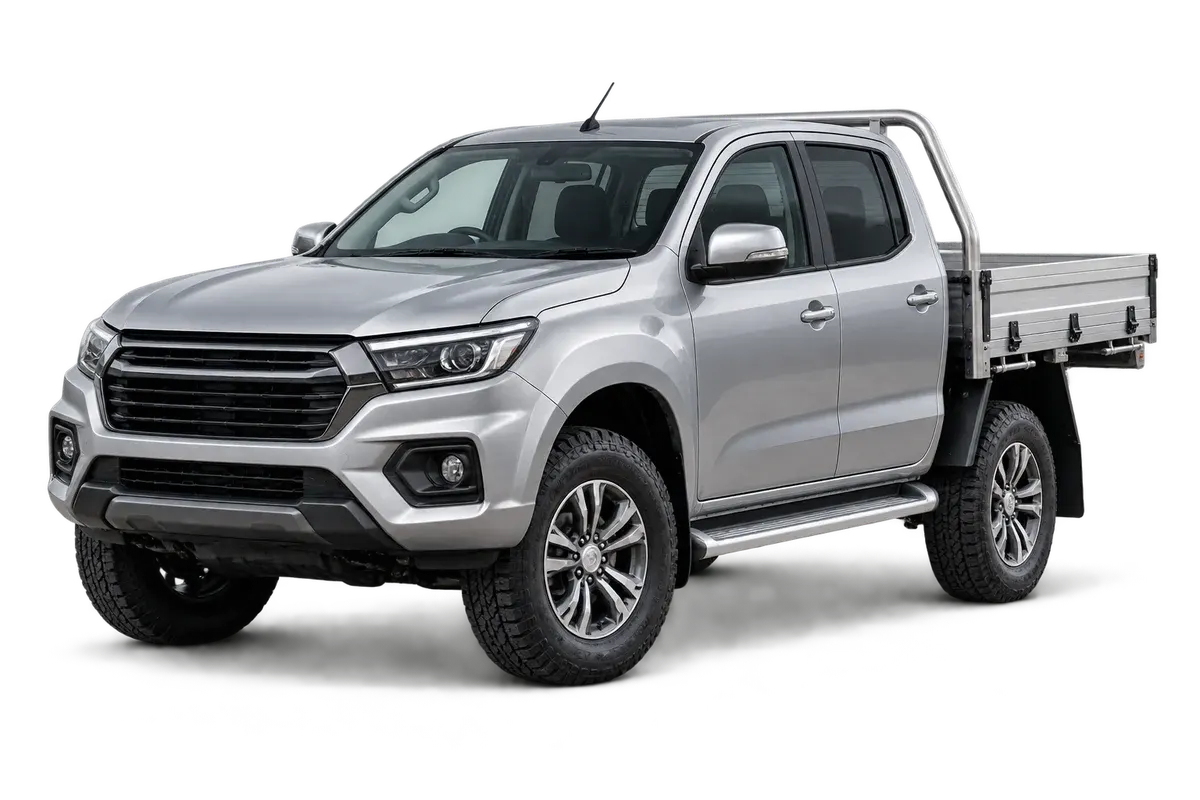
Tow trucks, courtesy cars and service vehicles, new, used, dealer or private, built for your business.
View finance options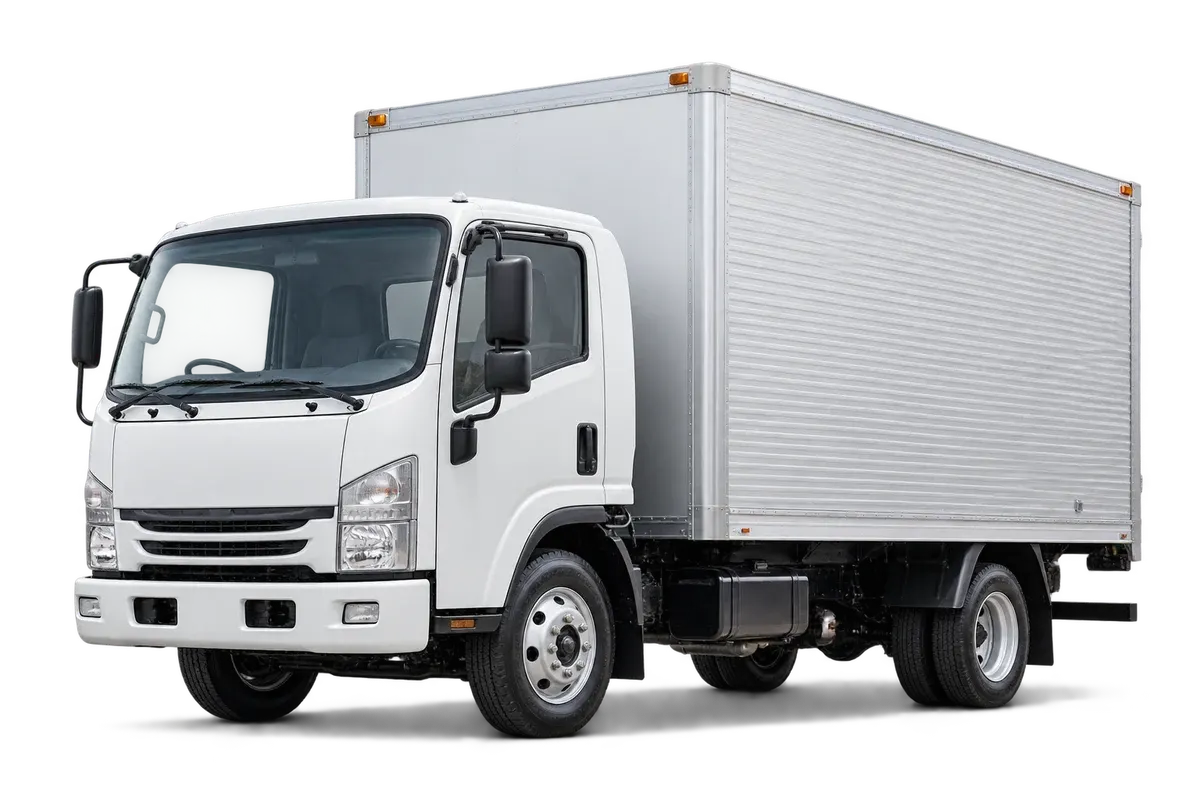
Tilt trays, tow trucks and recovery vehicles to add a mobile or roadside arm to your workshop.
View finance optionsA term loan for a defined business purpose. Compare the total cost, director guarantees and any business security.
View finance optionsFund a defined gap between business costs and receipts, with a repayment plan linked to how that gap closes.
View finance optionsA reusable facility for recurring cash gaps. Check interest on drawn funds, fees and review conditions.
View finance optionsOne broker to compare our panel of 80+ banks and specialist lenders.
Talk through your optionsWe consider bookings, labour capacity, parts costs and customer payment terms alongside the new repayment.
The equipment specification, floor layout and service requirements help avoid financing a machine that cannot be put to work as planned.
We check the available business and asset documents against lender requirements. Low doc means a different evidence pathway, not no assessment.
Compare the rate, fees, repayment dates, guarantees and any balloon together. Your accountant can confirm the tax treatment of the proposed structure.
We identify the outstanding conditions and supplier steps. Decision and settlement timing depend on the lender, documents and transaction.
Your broker coordinates the application, lender questions and settlement documents, keeping you informed about what is needed next.
The right finance should support the work ahead. Compare what it makes possible with the cost and commitment of borrowing.
Compare a hoist or diagnostic system with technician availability, workshop space and the jobs it supports.
Spreading an eligible purchase can leave funds for parts, wages and operating costs.
Compare downtime and repair costs with the full commitment of a replacement.
Include installation, calibration, software subscriptions and ongoing servicing in the project cost.
Use realistic additional work and margins; a new hoist does not create extra technicians or booked jobs.
Compare fees, term, guarantees, security and any balloon with the equipment's expected useful life.
The plant model code treats machinery safety across installation, use and maintenance. Workshop equipment such as hoists needs appropriate assessment, operating information and inspection arrangements.
Safe Work Australia: managing plant risks (November 2024)Compare an extra hoist or diagnostic system with available floor space, technician capacity and the jobs it can actually support. Include installation, calibration, subscriptions and maintenance. The finance discussion should start with the complete project cost and expected workshop cashflow.
The source explains the operating context. Your broker checks the finance documents and lender requirements for your application.
Explore Machinery finance, Equity release for business, Equipment document checklist.
Get clear on eligibility, paperwork and the next steps before you apply.
Ask a brokerWe can assess eligible equipment and the wider project. Itemise fixed fit-out, installation and equipment separately because the lender may treat those costs differently.
We look at industry experience, the premises, equipment, contribution, available cash and the work expected. Those details help identify a lender pathway; registration alone does not show trading capacity.
Compare the repair bill, likely downtime and ongoing maintenance with the full cost of replacement finance. Also check whether the replacement fits your current workload and technician capacity.
We compare suitable options from our accredited panel of 80+ banks and specialist lenders. The panel is not every lender in Australia, and the lender makes the credit decision.
An initial quote does not create a lender credit enquiry. With your written authority, we can access your personal credit report as an authorised access seeker without a lender enquiry or score impact. A formal lender application and credit enquiry only follow when you authorise them.
Standard applications range from $0 to $990 including GST. Applications requiring extended specialist work range from $991 to $1,990. Highly specialised applications requiring extensive consultation range from $1,990 to $2,500 and are very rare. These ranges include GST; your actual fee is quoted before you proceed. A broker fee is payable only if the finance settles. We may also receive lender commission ranging from 0% to 5% of the loan amount. Your separate written fee quote sets out your broker fee for acceptance before you proceed. Our Credit Guide explains commission, referral and volume bonus arrangements and how to request figures for your application.
$150,000 equity released
Approved on the first lender enquiry and settled at a historical rate of 8.65%. The existing loan was refinanced and $150,000 released for the workshop and cash buffer. The $150,000 is the equity released, not the total new loan. The total refinanced facility is not included in this anonymised summary.
Read case study